
Seeing Potential in Others: A Leadership Skill That Inspires Growth
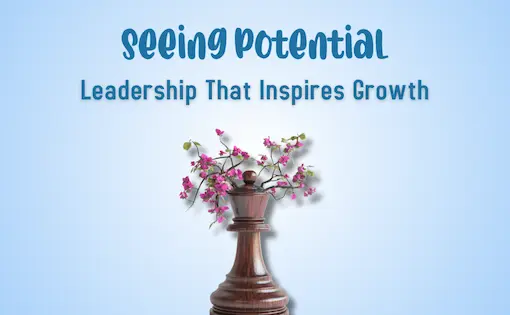
I’ve learned that great leadership isn’t about managing tasks or giving orders. Rather, it’s about seeing potential in others. It’s about envisioning what someone can become, often before they can see it themselves.
My journey from surviving abuse to building a thriving business taught me how powerful it is to recognize and nurture potential. Learning to receive kindness was hard for me, but it opened the door for me to help others grow into their full potential, whether it’s my three-year-old son Lincoln or the people I work with.
In this post, I want to share how seeing potential in others transforms both the leader and the led. I’ll offer ways I’ve learned to spot hidden strengths, build trust, and create environments where people can truly develop and thrive, both in their personal and professional development.
Why Seeing Potential is Transformative
 Many people go through life without realizing what they’re capable of. They often accept the status quo, not because they want to, but because no one has helped them imagine something different.
They don’t always see themselves as future leaders or change-makers. But I believe it takes someone else—a transformational leader—to hold up a mirror and help them see what’s possible.
Some people don’t see themselves or wouldn’t maybe call themselves a leader, but when you help people see their potential, they rise up and become that best and greater version of themselves.
When someone believes in us, it helps us believe in ourselves. I know because I’ve lived it.
Think about the great leaders who believed in you before you saw your own potential and self-confidence—a teacher, a friend, a mentor. Their belief probably helped you achieve success and stretch beyond your limits. That’s the kind of positive impact I aim for now, whether I’m raising my kids or leading my team.
How I Recognize Potential in Others
Look Beyond Surface Strengths
I’ve learned to look for what motivates people, not just what they’re already good at. That inner spark tells me far more than any resume or title.
For example, someone might not enjoy public speaking, but they love helping others gain knowledge. That tells me they might thrive as a mentor or trainer, even if it means building new skills and pushing past early challenges.
Helping people grow isn’t about sticking to their comfort zone. It’s about fostering a growth mindset and gently encouraging positive changes that help them expand.
Build Personal Connections
I’ve found that leaders inspire best when they build real relationships. People stretch themselves when they feel safe, respected, and valued. It’s a core part of individualized consideration, one of the foundations of transformational leadership.
I do my best to create a positive culture where dreams and goals are taken seriously. Whether it’s at home or in my business, listening without judgment and offering consistent support leads to powerful employee engagement and personal breakthroughs.
Encourage Small Wins and a Positive culture
When we were potty training Lincoln, I focused on celebrating small steps. Sitting on the potty was the win, not the end result.
I try to bring that same mindset into leadership. Progress deserves to be celebrated, even when it’s small. Those moments build the confidence people need to take on bigger challenges.
This leadership style builds momentum and nurtures a deep sense of capability. Effective leaders know that confidence grows one small step at a time.
How Transformational Leadership Unlocks Potential
Empowering My Kids to Grow
With Lincoln, I encourage curiosity and autonomy. He’ll challenge us to races, count us down, and even sneak in a cheat to win. Instead of shutting it down, I use it to teach about fairness and influence. That’s inspirational motivation in action, even with toddlers.
It’s the same with adults. If you give people space to try, fail, and learn, they’ll develop real resilience and ability. Transformational leaders focus on long-term development, not short-term perfection.
Leading with Influence, Not Force
 Like David Hawkins explains in Power vs. Force, true visionary leadership draws people in. It doesn’t shove them forward. That’s the difference between idealized influence and a transactional approach.
That’s why I lead through trust, not control. I aim to be a role model who offers a clear direction, but never forgets the human side of leadership.
People do their best when they feel inspired, not obligated. In a collaborative culture, ideas flourish, and people want to contribute because they know their efforts matter.
Growing Myself to Help Others Grow
After leaving an abusive relationship, learning to receive love and kindness became part of my own personal growth journey. I had to learn to say, “I can receive this,” even when it felt uncomfortable.
That process helped me develop self-awareness, a trait that I now recognize as essential for leaders. The best leadership skills don’t come from authority; they come from experience, humility, and continuous learning.
I had to grow first in order to aid people around me more effectively. You can’t pour from an empty cup. But when you lead yourself well, you help others do the same.
A Quiet Invitation Can Change Everything
 Some of the most powerful leadership moments happen in silence. A gentle question. A word of encouragement. A chance offered with no strings attached.
If Avram hadn’t shown me patience and genuine commitment while I was learning to trust again, I might not have stepped into the life I have today. His belief helped me move toward my own vision of what’s possible.
You can offer that same compelling vision to others. The team member who hesitates might just need a nudge. The colleague who struggles may have strengths they haven’t tapped yet. The child who misbehaves may be waiting for connection.
This is the new era of leadership—one grounded in empathy, not ego. One where leaders motivate through care, where effective leaders know that the bigger picture matters more than their personal agenda.
Seeing potential in others doesn’t require a title or a degree. It requires faith in the next generation, trust in the proc
ess, and the courage to believe that extraordinary results begin with one simple invitation.
If this resonates with you, check out Episode 92 of the Babies and Business Podcast, where Avram and I share more about this journey and how to lead with kindness and vision in an ever changing world.